Fragrance-free is not the same as unscented
One means no fragrance ingredient was added. The other often means a masking fragrance was. If someone reacts to scent, the distinction is everything.
By Rosalind Okereke. Published .
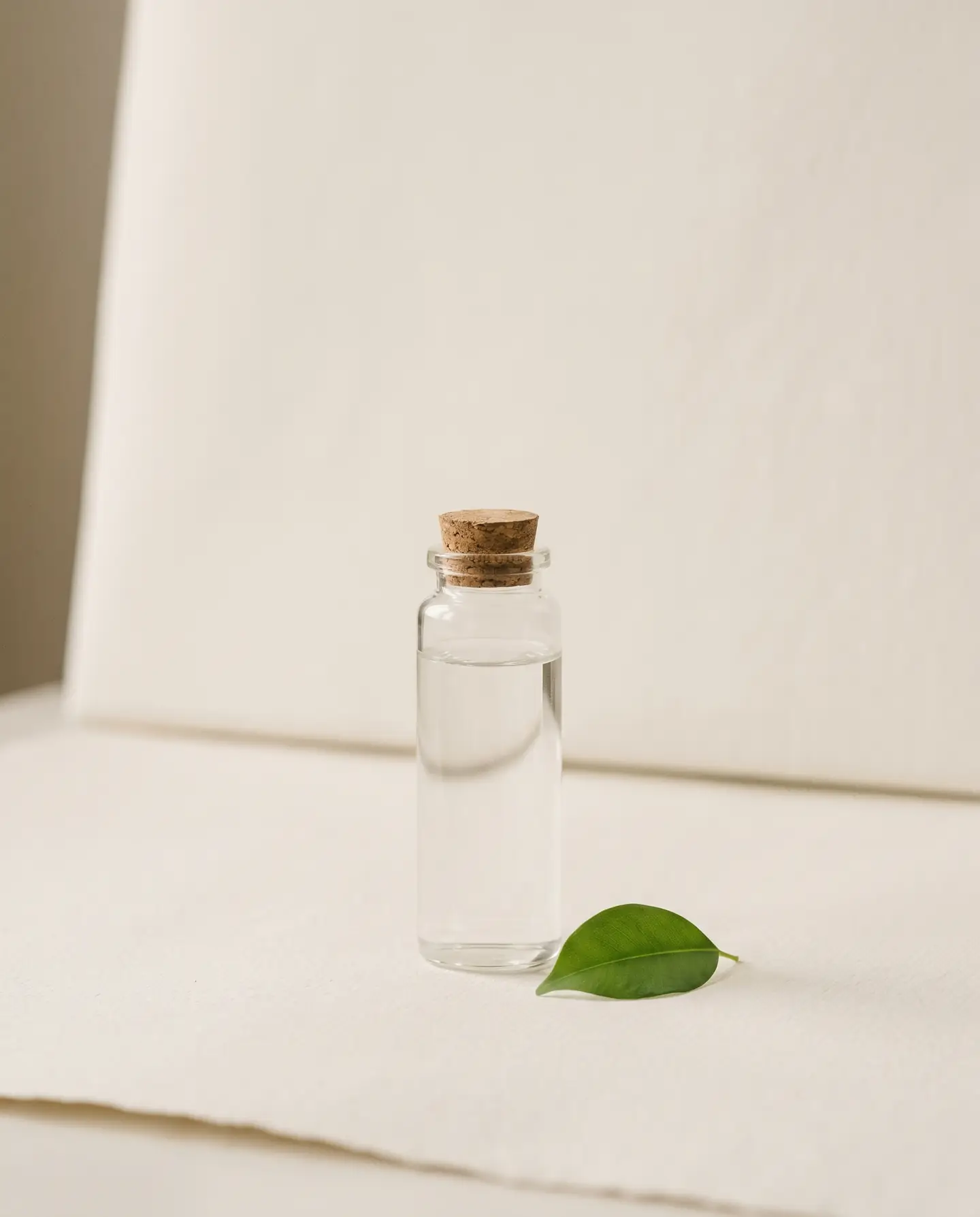
These two words look like synonyms and are not. If somebody in your house reacts to scent, the difference between them is the whole thing.
The two definitions
Fragrance-free means no fragrance ingredient was added to the product at all. Whatever the base ingredients smell like is what the product smells like, which is usually faintly of nothing much.
Unscented frequently means the opposite of what it sounds like. A masking fragrance has been added specifically to cover the smell of the base ingredients, so that the product reads as neutral. The bottle smells of nothing and still contains fragrance chemistry.
Neither term is regulated for cleaning products, so a manufacturer can use either loosely. But the convention above is well established in cosmetics and personal care, and it carries over often enough to be worth knowing.
Why "fragrance" on a label can hide so much
Fragrance formulations are treated as trade secrets. A label can lawfully print the single word fragrance, or parfum, and that word can stand for a large number of individual substances that are never named. For most people this is irrelevant. For somebody with asthma, a diagnosed fragrance sensitivity, or multiple chemical sensitivity, it makes the label unusable: there is no way to check whether the specific thing they react to is in there.
This is the entire reason our default kit has no fragrance in it. Not because fragrance is dangerous to everyone. Because the label cannot tell a sensitised person whether it is dangerous to them.
The essential oil trap
The common middle position is to avoid synthetic fragrance and use essential oils instead, on the grounds that a plant extract must be gentler. Indoor air does not work that way.
- Essential oils are volatile organic compounds. Volatility is the mechanism by which you smell them at all. A product that scents a room is by definition putting compounds into the air in that room.
- Terpenes react with ozone. Compounds such as d-limonene, alpha-pinene and linalool react with the ozone present in indoor air to produce formaldehyde and secondary organic aerosols, which are ultrafine particles. This chemistry is well documented in the indoor air quality literature and it happens at ordinary household concentrations.
- Several are recognised sensitisers. Tea tree and lavender oils are established contact allergens. Sensitisation is cumulative, so a tolerable exposure today contributes to a reaction later.
- Cats process phenols poorly. Feline livers are short on the glucuronidation pathway that handles phenols and many terpenes, which is why we do not use essential oils in a house with a cat regardless of what is requested.
None of this means essential oils are dangerous in a general sense. It means that "natural scent" is not a safe harbour, and that in a household where somebody reacts, the safest scent is none.
How to read a shelf
- Look for the words fragrance-free rather than unscented, and treat unscented as a prompt to read the ingredient list.
- Scan the ingredient list for fragrance, parfum, essential oil, and any named oil.
- Check whether the full list is published at all. If the label points to a website, look at whether the website lists everything or repeats adjectives.
- Ignore the front of the bottle entirely. Every claim that matters is on the back or on a website.
What it changes on a visit
In a sensitised household, four things change and none of them costs anything. Sensitivities go in the household file rather than into somebody's memory. Cleaners on that route do not wear scented laundry detergent or personal fragrance. The one product with a meaningful volatile component, our alcohol-based glass cleaner, is used at the start of the visit with a window open. And the microfibre is washed in a fragrance-free detergent, because cloth holds scent for a surprising number of washes and a scented cloth carries it into every room it touches.
The full protocol is here, andthe ingredient lists are here.
Want this applied to your house?
A walkthrough is twenty minutes and ends with a written plan and a fixed price. If the answer is that you do not need us, you will get that instead.